“UNRWA schools are infamous incubators of hatred.”
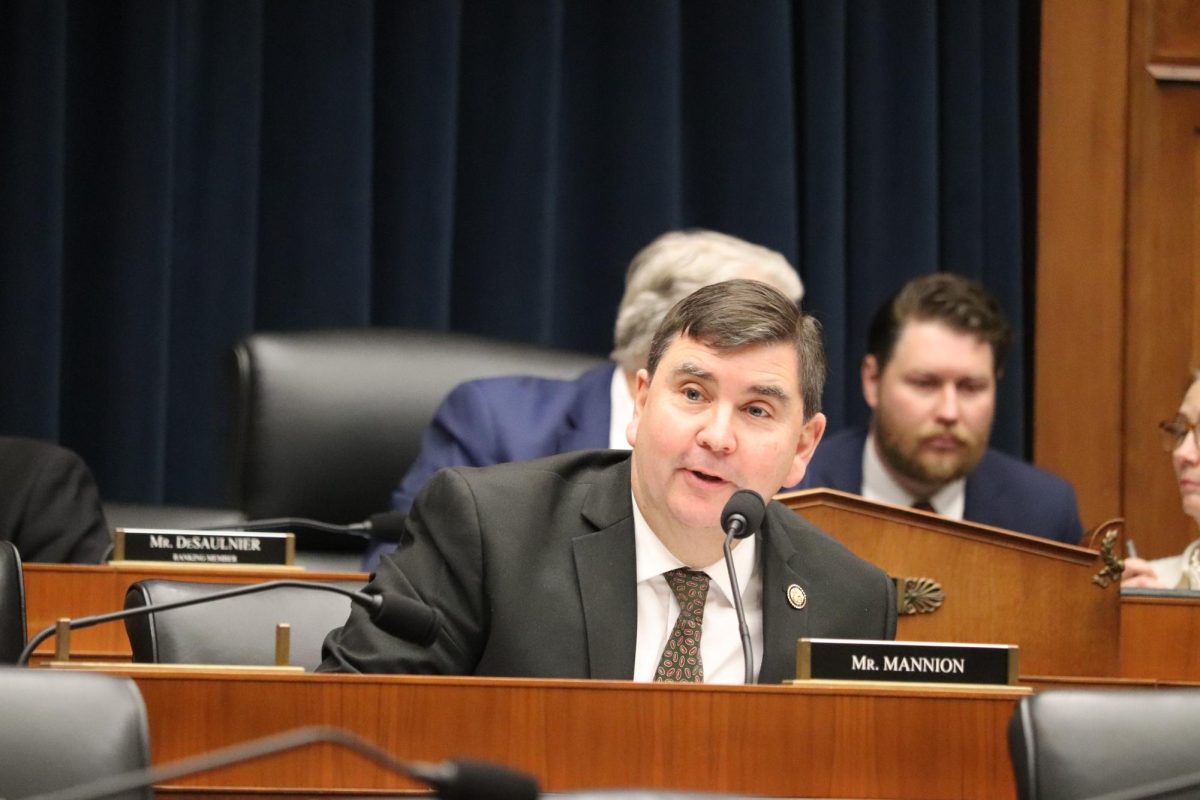
That was how U.S. Representative Christopher Smith described Palestinian refugee education during a U.S. congressional hearing on the United Nations Relief and Works Agency. He claimed that children in these schools are encouraged toward “martyrdom as suicide bombers” by their teachers.
These statements are increasingly common in Washington. Over the past several years, policy researchers, politicians and civil society have repeatedly debated whether UNRWA, an agency that provides education for over half a million Palestinian refugee children, should continue receiving U.S. funding. Much of that debate centers on a single question: what exactly is happening inside Palestinian classrooms?
Critics argue that UNRWA schools radicalize students; reports from Israeli and pro-Israel organizations highlight textbook passages, teacher social media posts or alleged connections between staff and militant groups. Teachers are described as “terrorists,” students are future “martyrs,” and classroom instruction is “jihad,” suggesting that UNRWA classrooms are spaces where violent political ideology is produced and transferred to the next generation. This rhetoric is quick to circulate through media coverage and congressional hearings, often framed as evidence of the Palestinian education system fueling violence.
However, humanitarian organizations tell a very different story. UNRWA officials emphasize teacher training programs, human rights curricula, and efforts to promote religious tolerance. Schools are rare spaces where children can experience some degree of normalcy and act as one of the only remaining stabilizing forces in Gaza and the West Bank. Teachers and students have emphasized the importance of education as a mechanism to preserve Palestinian history and culture across the diaspora, amidst mass displacement and destruction of land and property.
Both sides agree on one thing: education matters enormously, yet they assign it radically different meanings. In this political debate, Palestinian schooling has become both a security threat and a humanitarian necessity. This contradiction helps explain why the controversy around UNRWA education never seems to end.
Every few months, a new report appears alleging bias or incitement in Palestinian textbooks. UNRWA responds with statements defending its curriculum and pointing to neutrality guidelines for teachers. News outlets summarize the accusations, lawmakers call for investigations and donor governments debate whether funding should continue. The argument repeats itself with remarkable consistency.
What often goes unnoticed is how this cycle overestimates education’s causal significance. Schools are treated as if they hold the key to the entire conflict. If the curriculum were rewritten, if teachers were monitored more carefully, if the system were sufficiently “neutral,” then perhaps the region could move toward peace.
U.S. policy reflects this aggrandizement of education, with the United States suspending funding for UNRWA multiple times in recent years. As a result, the agency is left scrambling to maintain educational services for Palestinian refugee children.
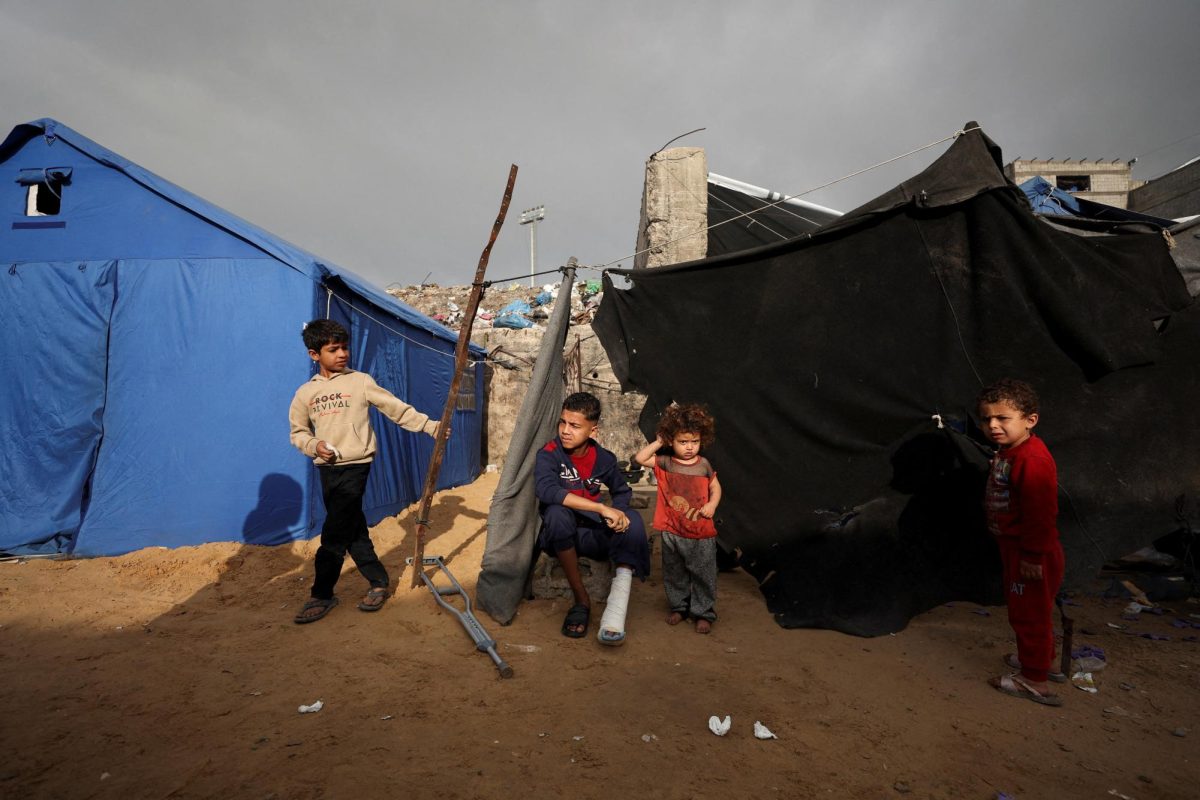
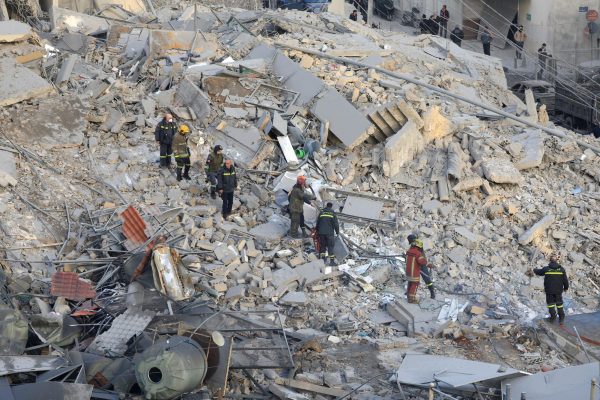
Meanwhile, the political realities shaping those schools receive far less attention. Nearly every school in Gaza has been damaged since October 2023. According to UN satellite analysis, more than 95 percent of educational facilities in the territory have sustained destruction. Against this backdrop, the expectation that education can function as a perfectly neutral institution becomes unrealistic.
In practice, the constant suspicion surrounding UNRWA schools has produced something else entirely: an expanding system of oversight by donor governments. Teachers’ online activity is monitored; external organizations review classroom materials such as textbook content; donors demand additional inspections and reporting requirements as proof of “neutrality.”
The classroom has become a site of investigation, and yet this dynamic has little to do with improving education itself. Instead, it reflects a broader political struggle over who gets to define and judge Palestinian education.
What are the possibilities for Palestinian education amid the growing politicization of UNRWA? Peacebuilding literature has long positioned education as a critical tool for helping societies recover from violence and open new possibilities for the future. Nevertheless, expecting classrooms to resolve a decades-long political conflict places an impossible burden on teachers and students alike.
Within policy circles, it is crucial to recognize that competing ideals of education are politically constructed, not empirically resolvable. However, framing schools as the central problem in international debates keeps attention fixed on textbook content and surveillance of teachers rather than the political conditions shaping Palestinian life.
As it stands, it seems the argument in Washington will continue exactly as it began: lawmakers condemning classrooms thousands of miles away, while the students inside them wait to see whether their schools will still exist next year. It’s time to consider who is benefiting from the politicization of this debate and the irresolvability it generates.