





On February 14, 2026, the Department of Homeland Security (DHS) was shut down due to a disagreement over the budget. Democrats wanted limits on immigration enforcement, dedicating less money to specific DHS programs like Immigration and Customs Enforcement (ICE) and Customs and Border Protection (CBP). Republicans wanted full funding without these targeted restrictions.
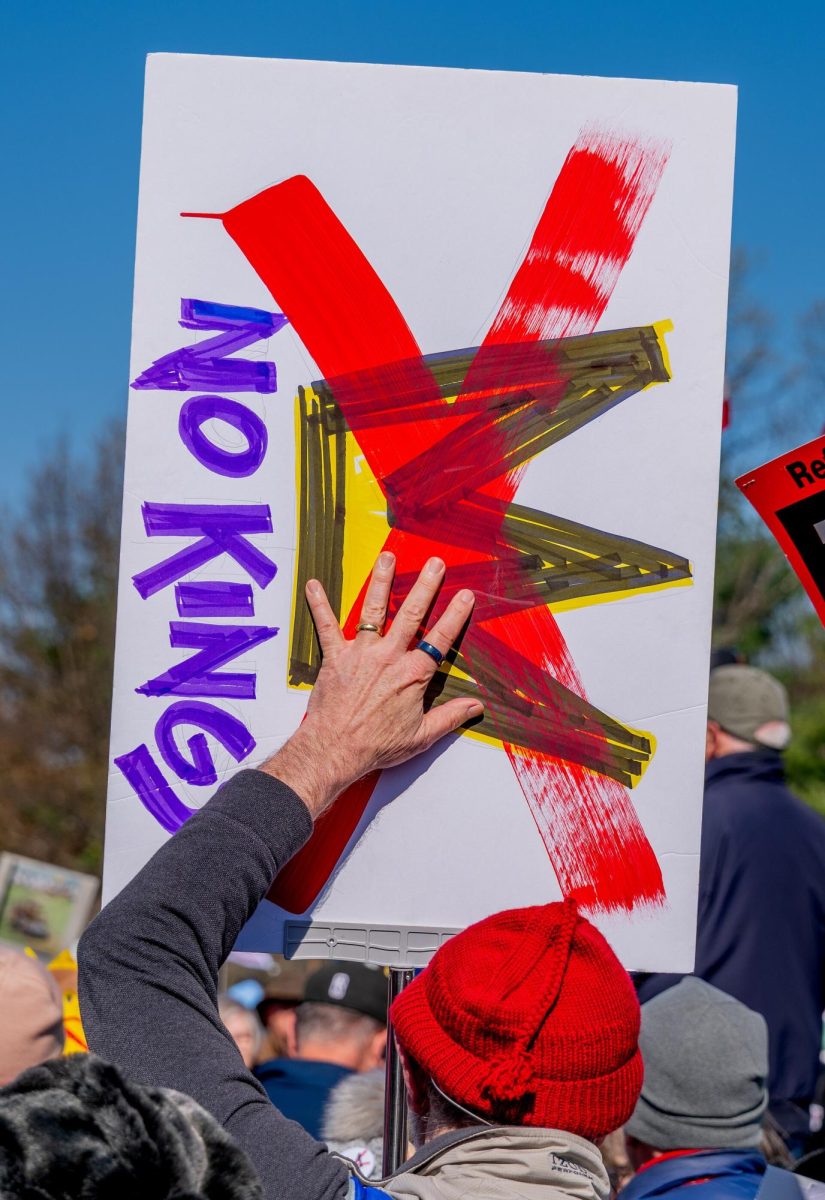
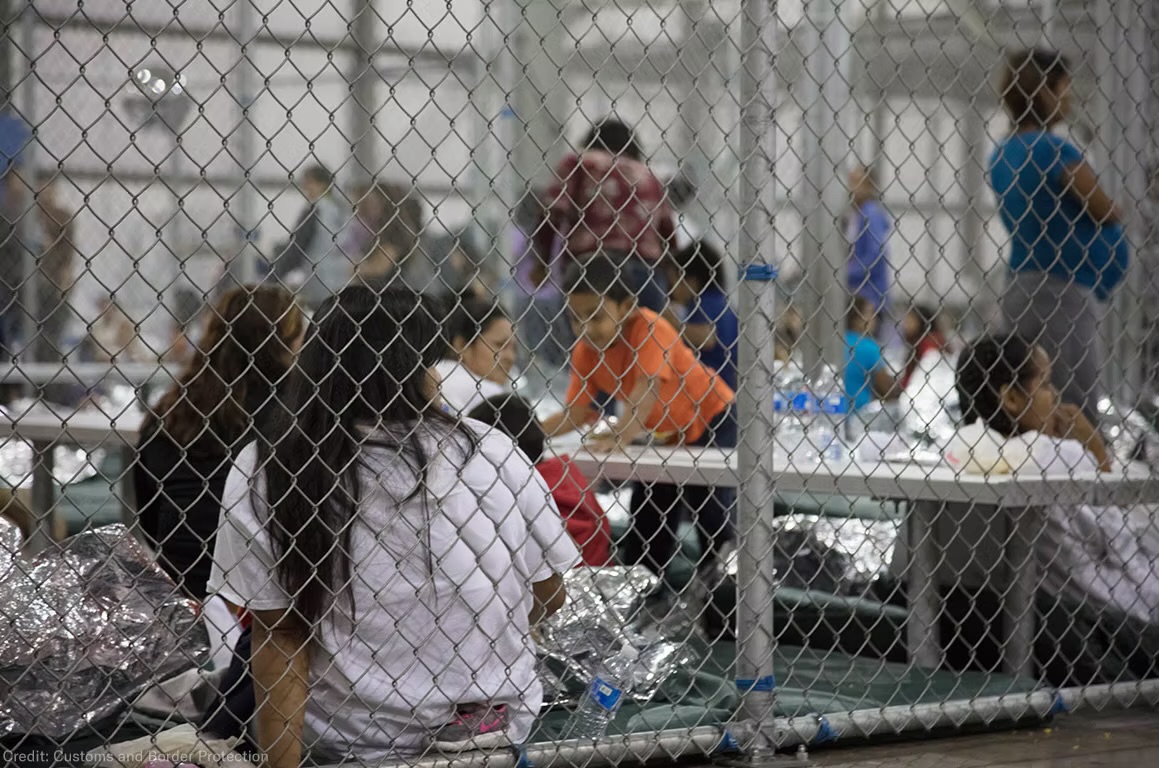
Democrats chose to withdraw support for DHS funding over ICE and CBP after they were involved in a major deportation operation in Minneapolis that led to the fatal shooting of Renee Nicole Good by an ICE agent. Her death sparked major controversy as ICE justified their open gunfire as an act of self-defense in response to a perceived threat from Good’s vehicle. Critics claim that force was excessive and that there was no violent intent from Good’s behavior. The controversy fueled perceptions that ICE and Border Patrol are violent and ineffective. It also reignited Democrats’ longstanding concerns about ICE, causing the loss of Democratic support for specific DHS programs and preventing the funding bill from reaching the 60 votes it needed to pass.
The problem with shutting DHS down is that the department is huge: it encompasses the Transportation Security Administration (TSA), Federal Emergency Management Agency (FEMA), U.S. Coast Guard, Cybersecurity, and more (DHS). By shutting down DHS with the intention of defunding ICE and Border Patrol, the act created new issues for other organizations within Homeland Security. Additionally, ICE and Border Patrol have previous funding, mainly from the “One Big Beautiful Bill Act,” and remain mostly unaffected by the shutdown.
Other agencies, such as TSA, are most prominently affected by the defunding. The impact was especially felt during prime spring break time, when airports were already seeing large numbers of travelers. As a result, airports saw long lines and citizens faced record-long wait times, while over 50,000 TSA workers were left without pay. Without pay, many TSA workers were unable to get to work because they could not pay for gas or child care. As more paychecks were missed, an increased number of workers resigned as they could not afford to miss payments.
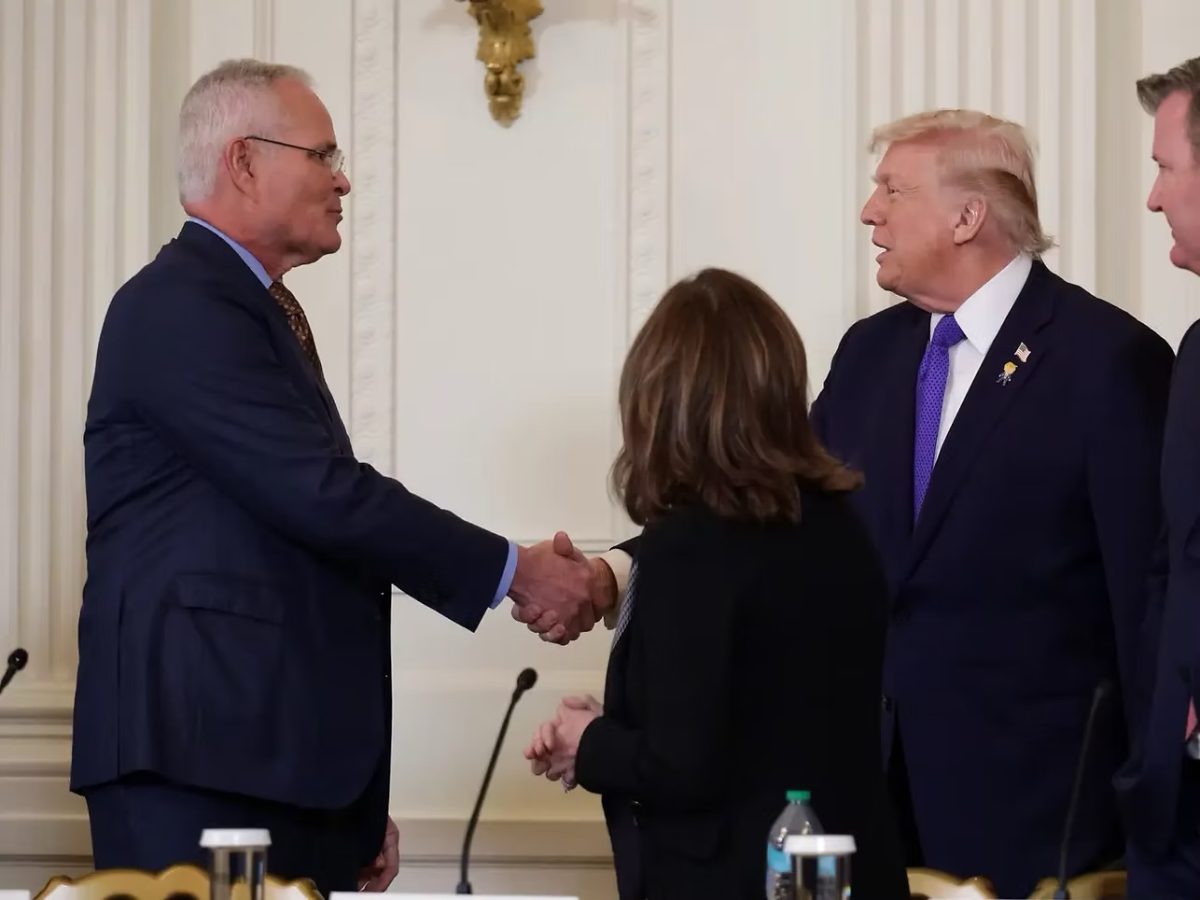
In early March, President Donald Trump replaced Kristi Noem as DHS Secretary due to internal criticism of her performance, heightened by the Minneapolis incident, and overall rising tensions with White House staff. Her removal during a chaotic time further contributed to the instability of the department and its programs. Meanwhile, hundreds of TSA workers continued to resign due to missed paychecks, exacerbating worsening airport conditions.
As conditions worsened into late March, various attempts at a solution were made, all failing on party lines. On March 21, the Senate proposed to fund only TSA, which was quickly rejected. Following this attempt, the Senate passed legislation to fund the majority of DHS except for ICE and CBP, but this was then rejected by House Republicans. Democrats have tried to reserve the immigration issue for further discussion while supporting other parts of DHS in order to end unintentional harm caused by the defunding. However, Republicans have held firm and are unwilling to compromise. Furthermore, Trump has pushed Republicans not to settle until the SAVE America Bill is passed, which would heighten requirements for voters and contribute to major immigration policy changes.
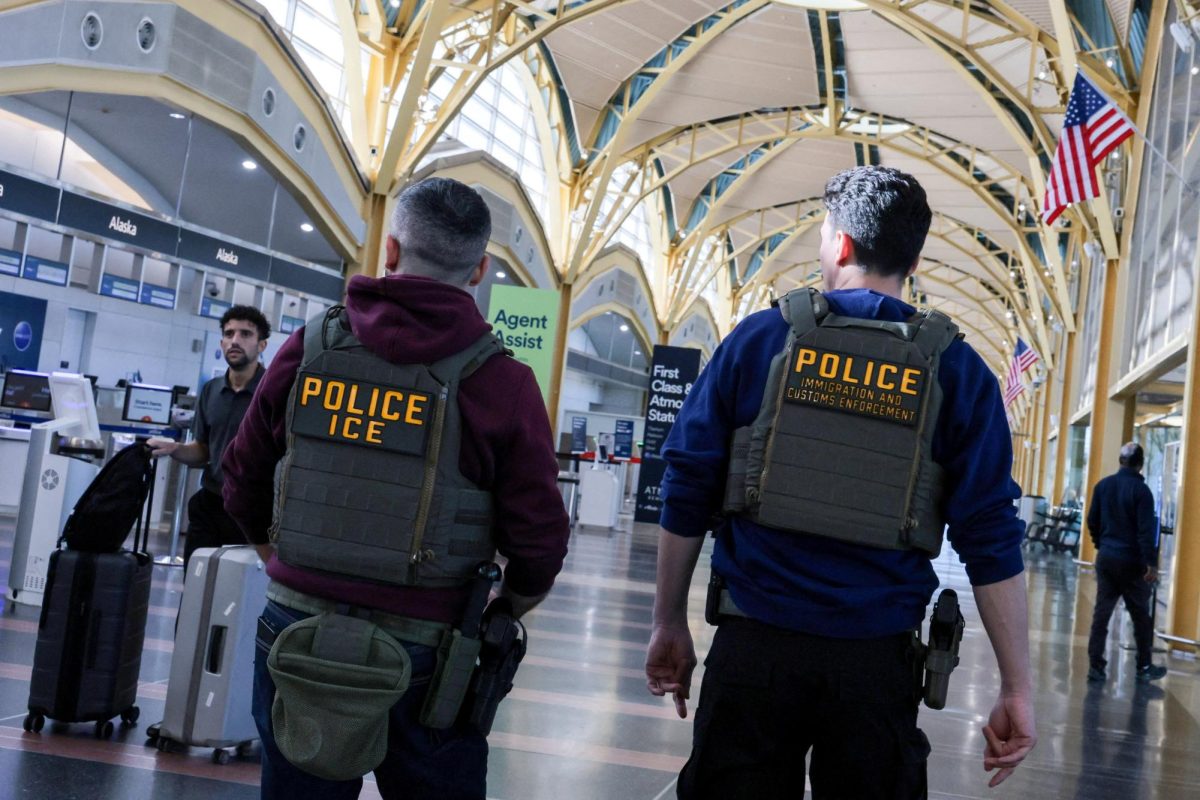
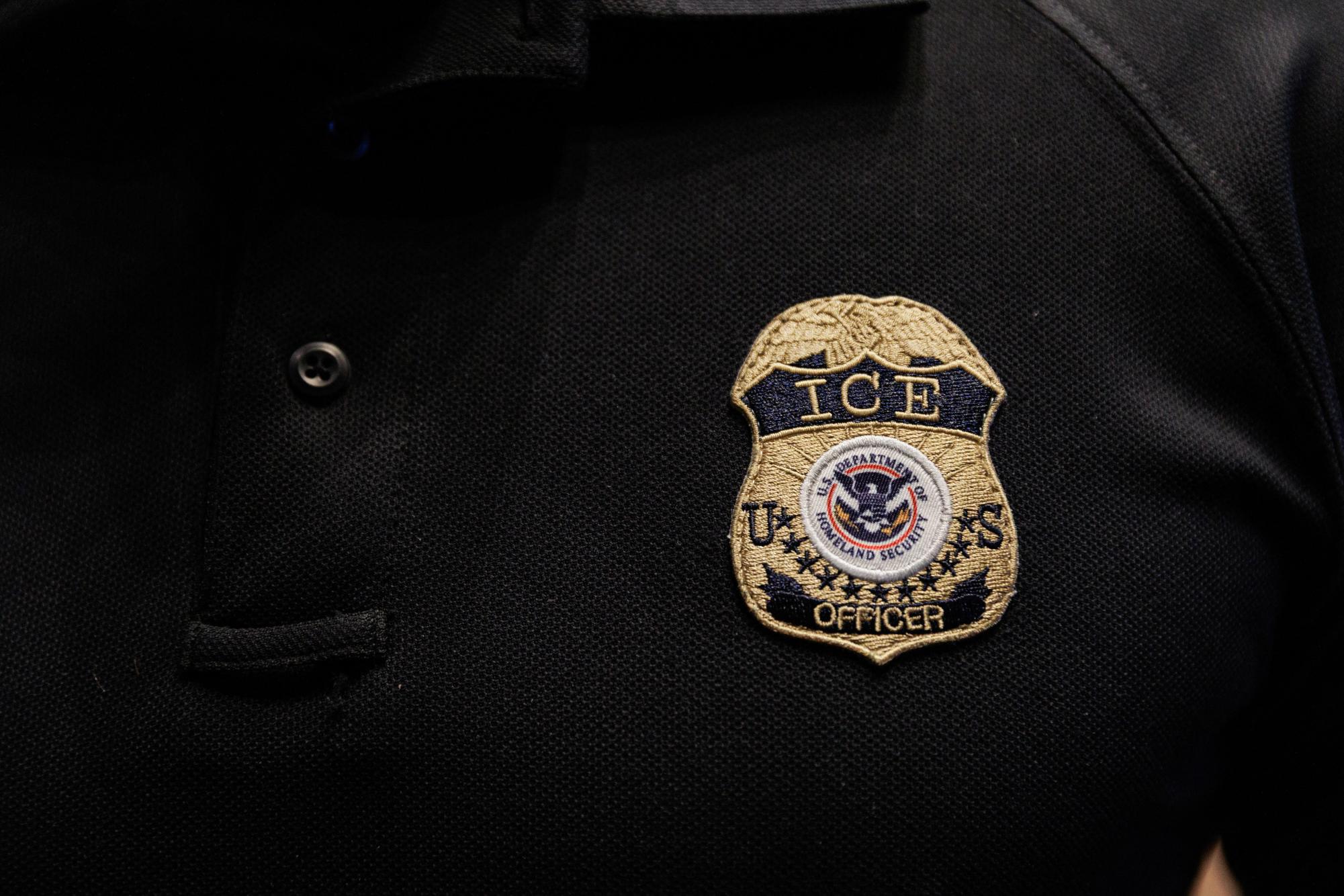
Following failed attempts at a solution, Trump has recently deployed ICE agents in airports to assist TSA workers. This has heightened tensions over the role of ICE and further divided the parties on DHS funding. Since an agreement continues to elude Congress, Trump issued an executive order in early April to help TSA employees catch up on missed pay. Currently, DHS is still shut down, though essential workers are still expected to be present. The situation only worsens as time elapses, making the outcome of Congressional negotiations incredibly important. A resulting agreement is likely to change the funding structure of DHS, but also heavily influence the broader debate over immigration enforcement and federal agency authority.