
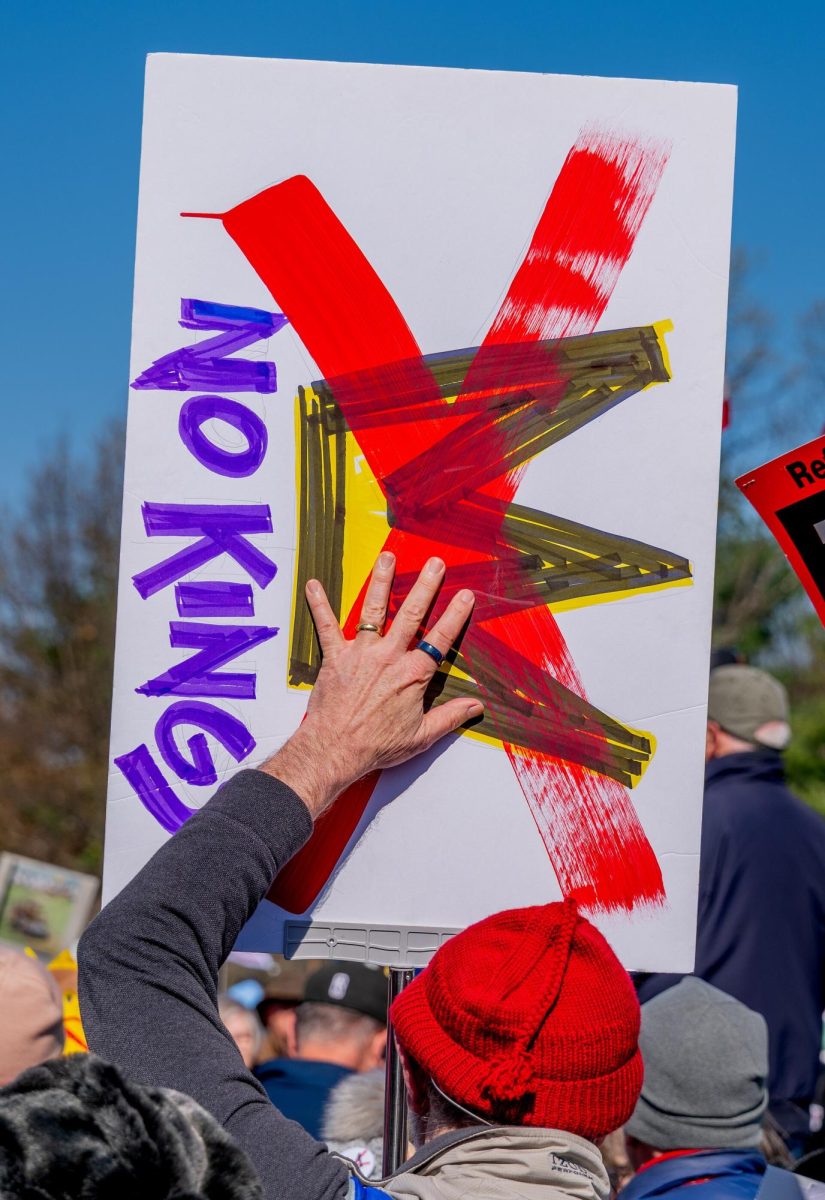








One of President Trump’s top domestic priorities has been the passage of the Safeguard American Voter Eligibility (SAVE America) Act, which aims to target alleged voter fraud in federal elections by requiring strict proof of citizenship and a photo ID to vote. The Senate blocked the bill on April 20—the second time the legislation has failed to advance—falling well short of the 60 votes required to invoke cloture and overcome the filibuster. Republicans hold 53 Senate seats to Democrats’ 47, but with unanimous Democratic opposition, the bill never had a path. Trump had sought to scrap the filibuster to force it through; that effort, too, failed. Despite frustrations from the White House and Republican activists, the filibuster isn’t going anywhere.
In the modern era of American politics, the filibuster is regularly invoked by the minority party to obstruct the agenda of the majority party. As a result, it has been targeted by both parties when each was in power. Before Trump, in 2021 the Democratic Senate attempted to do away with the filibuster in order to more easily pass then-President Joe Biden’s domestic agenda; opposition from then-Senators Joe Manchin and Kyrsten Sinema ultimately killed the effort.
While the filibuster has not been abolished, it has been weakened several times in past years. In 2013, then-Senate Majority Leader Harry Reid (D-NV) invoked the “nuclear option”—a simple-majority rule change—for executive and judicial nominations in response to Republican obstruction, which meant that only a simple majority was required for confirmation. Citing this as precedent, the Republican Senate majority in 2017 invoked the nuclear option to confirm Trump’s Supreme Court picks, and to this day a Supreme Court justice only requires a simple majority to be confirmed. Additionally, in response to Democratic obstruction of Trump’s executive branch nominees, Senate Majority Leader John Thune (R-SD) just last year allowed for some of them to be confirmed in groups by a simple majority.
Still, despite intense lobbying efforts from Trump and Utah Sen. Mike Lee, the filibuster is highly unlikely to find itself on the chopping block in the near future because there is insufficient support from Republican senators. In addition to the unanimous Democratic opposition, dozens of Senate Republicans, including Thune, are opposed to eliminating the filibuster. A major factor is the caucus’s composition: though most of these Senators are staunch allies of President Trump, a majority of the caucus came into office before him, some by over 10 years. While they may be pliable on other issues, the filibuster is a core tenet of the institution, and for members who entered the Senate before Trump reshaped the party, that institutional loyalty is difficult to override.
Sen. Lee has floated primary challenges to these senators, the logic being that an electoral threat from a Trump-aligned candidate would override their institutional leanings. This was illustrated when Texas Sen. John Cornyn—a previously steadfast supporter of the filibuster—reversed his position amidst a competitive Republican primary runoff against Texas Attorney General Ken Paxton, a vocal ally of Trump.
However, the Trump threat alone cannot win over enough Senate Republicans. The combination of maverick Senators Susan Collins (R-ME) and Lisa Murkowski (R-AK), who have shown they do not need Trump’s support to win, along with retiring Senators Thom Tillis (R-NC) and Mitch McConnell (R-KY), who have nonexistent relations with Trump and nothing to lose, provides the four reliable votes needed to kill Trump’s efforts—not to mention Thune’s consistent support of the filibuster. Indeed, Thune’s endorsement of the norm is critical for its survival, as the support of Senate leadership provides political cover for members of the Republican caucus to continue to oppose the filibuster’s elimination. Tillis, despite having co-sponsored the original SAVE Act legislation, warned that filibuster elimination advocates “are not going to succeed” and would leave “vulnerable Republicans” in a “more difficult environment.”
In the future, the filibuster may be abolished, especially if Democrats take back the Senate majority and White House from Republicans. When they last held a Senate majority, 48 out of 50 Democrats voted in favor of eliminating the filibuster specifically for their voting rights legislation, though support for the total elimination of the filibuster was complicated by their caucus’s own strain of institutionalism. As the Senate’s institutionalists are replaced by newcomers less invested in procedural norms, both parties will find the filibuster an increasingly tempting target. In the meantime, however, the filibuster is here to stay.