






There is no doubt that the development of nuclear weapons is back at the forefront of world leaders’ minds. Conflicts around the world paired with the collapse of strategic arms agreements have made changes to the world’s nuclear climate unavoidable.
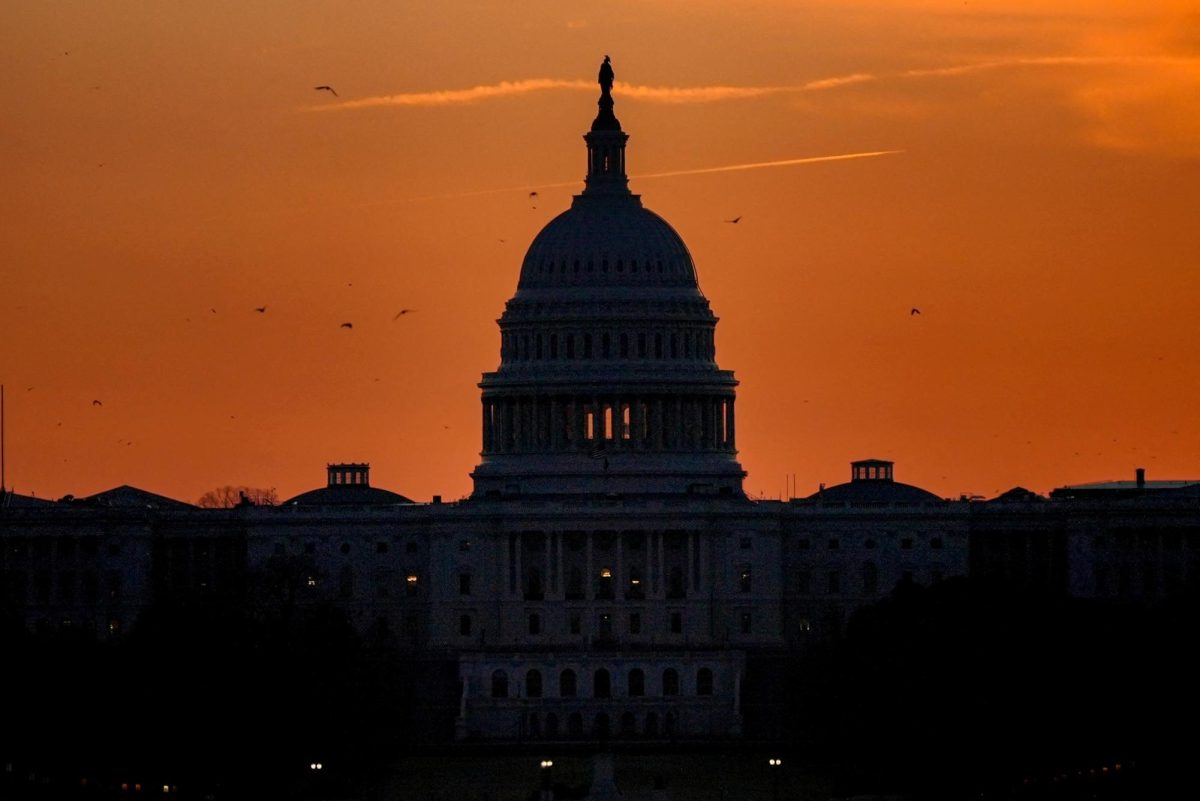
For the United States, increased surveillance and intelligence will be key. Following the end of the New Strategic Arms Reduction Treaty (New START) on Feb. 5, 2026, the United States no longer has any active strategic nuclear arms agreements. While President Trump has signaled interest in a new, similar agreement, this is still the first time since the Soviet Union that the U.S. is without access to Russian nuclear sites and development activity. Heightened tensions surrounding the Great Power Competition, China’s arsenal expansion, and growing geopolitical conflict between Russia and Ukraine compound the uncertainty. Without consistent monitoring abilities, the risk of escalation is raised in Eastern Europe, and the U.S. and its allies lose a forum to track and contain nuclear development.
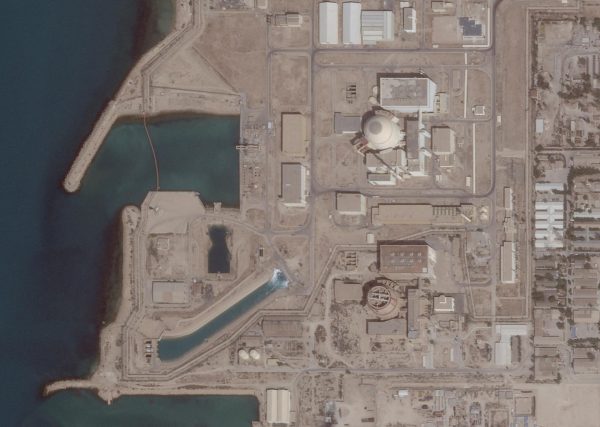
The lack of agreement on nuclear access has proved to be an issue for U.S.-Iran relations as well, as the ending of the Joint Comprehensive Plan of Action in October 2025 directly contributed to recent strikes in Iran. This deal, originally established between Iran, the Permanent Five, and Germany, was designed to impose strict nuclear development limits on Iran in exchange for lessened sanctions. Since the U.S. withdrew in 2018, forfeiting its compliance monitoring capabilities, officials have warned that Iran could be as little as a year away from developing nuclear weapons.
By mid-2025, the International Atomic Energy Agency had declared Iran non-compliant with the JCPOA, and world leaders became increasingly concerned by the prospect of Iranian nuclear development. NATO leaders and allies agreed that Iranian production must not happen, regardless of their individual stances on nuclear weapons. Should such weapons fall into non-state actors’ hands, the consequences would prove catastrophic for all nations.
Following the strikes in Iran, the Canadian and Australian prime ministers met in Canberra, Australia, to discuss their next steps. They refused to rule out future involvement in the conflict, stating that they would act in their allies’ best interests to ensure Iran is never able to successfully develop nuclear weapons. While both nations want military de-escalation in the Middle East and deterrence worldwide, they recognize that this cannot be achieved without a guarantee that Iran’s nuclear ambitions remain contained.
In Europe, countries are prioritizing regional allies over transatlantic ones. With many of them concerned about the United States’ reliability, European nations are preparing for the possibility of being left in the dark by Washington. Indeed, as a precaution against this possibility, the European Union is solidifying its own nuclear strategies behind France, the EU’s only remaining nuclear power since Brexit.
For French President Emmanuel Macron, cooperation with other nuclear powers is central to France’s strategy. As he takes the lead on a broader movement toward deterrence, Macron is coordinating talks with EU partners to better align nuclear strategy, conveying France’s commitment to de-escalation and peace rather than a return to Cold War-era brinksmanship.
Britain’s Liberal Democrats hold a similar view of the ongoing uncertainty surrounding the United States’ impulsivity. While they value nuclear deterrence and remain committed to it, they are aware that relying too heavily on the United States may not be in Britain’s best interest. Though the U.K. currently holds a technology-sharing agreement with the United States, which includes nuclear technology, some British politicians favor moving toward independent development in preparation for a potential rupture in U.S.-U.K. relations. While still an ongoing debate, given that the United States has been one of Britain’s longest-standing allies and the fiscal commitment is significant, it is clear the U.K. may be nearing changes to its nuclear strategy.
Britain and France remain at the forefront of European nuclear development while the rest of the region remains heavily involved. The U.S. has confirmed the presence of nuclear weapons in Belgium, Germany, Italy, the Netherlands and Turkey, all of which are North Atlantic Treaty Organization (NATO) member states. NATO, which views itself as a “nuclear alliance,” has long been dedicated to using nuclear weapons as a form of deterrence. Although most member nations are without their own nuclear arsenal, the historical support from nuclear powers such as the United States has long underpinned their security against threats from Russia and others.
For most Western nations, the nuclear climate hinges on the United States’ defense strategy. While Britain and France are both also armed, technological reliance on Washington and shared treaty obligations remain. As the United States navigates the collapse of strategic arms treaties, many of the nation’s allies continue to question the U.S.’s next moves. For unarmed Western countries, a rush to compensate for U.S. unreliability may ensue. The current nuclear climate is on the cusp of change; expiring agreements and questions of hegemonic reliability increasingly threaten the nuclear status quo.